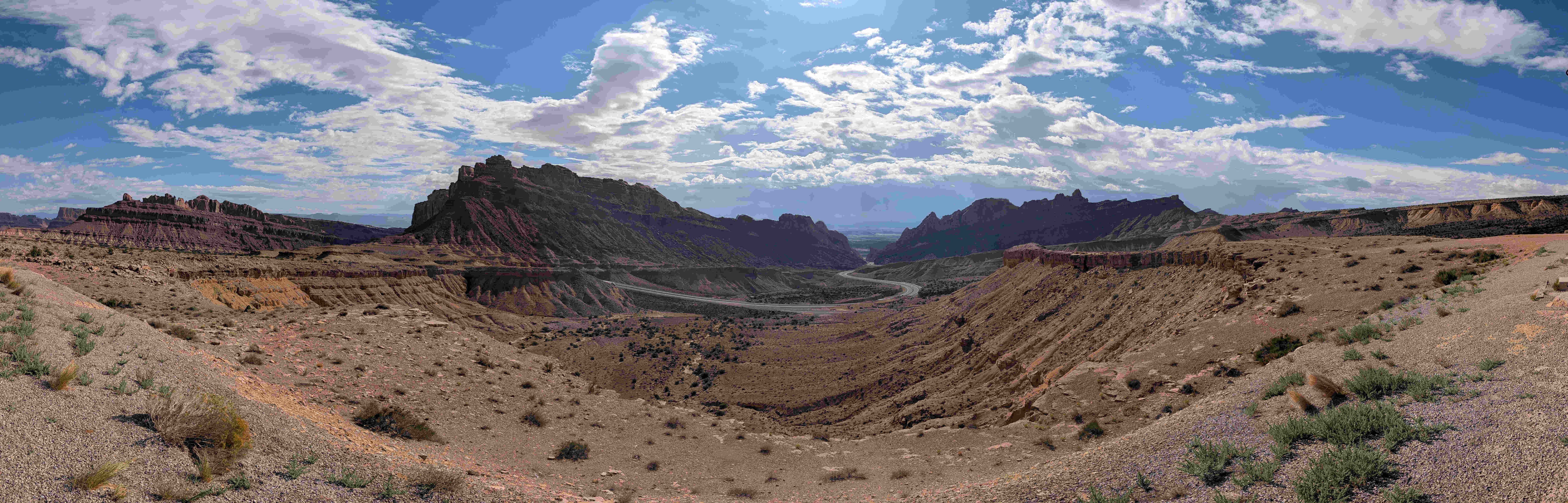
I've been dreaming of driving across the States, and because we had a full week between the summer camps this year, my friend asked me to drive from California to New Hampshire with him. I didn't think twice - I just decided to do it.
My friend has a finely tuned old van made for long travels with a powerful cooler, a toaster, a water boiler, a microwave and a king size bed. He drives a lot, traveling long distances to visit friends and family as well as to attend camps and workshops. He makes the drive every year to bring his weapons and other equipment to the Sandy Island camp.
The road trip was kind of mental gymnastics, like Tai Chi or meditation. You think about all kinds of things, and only after accepting that this will take some time does your mind relax. Old-school navigation with printed maps was fun: keeping track of road numbers, trusting your sense of direction, and looking ahead to where to target for. Overall, it was an immersive ride.
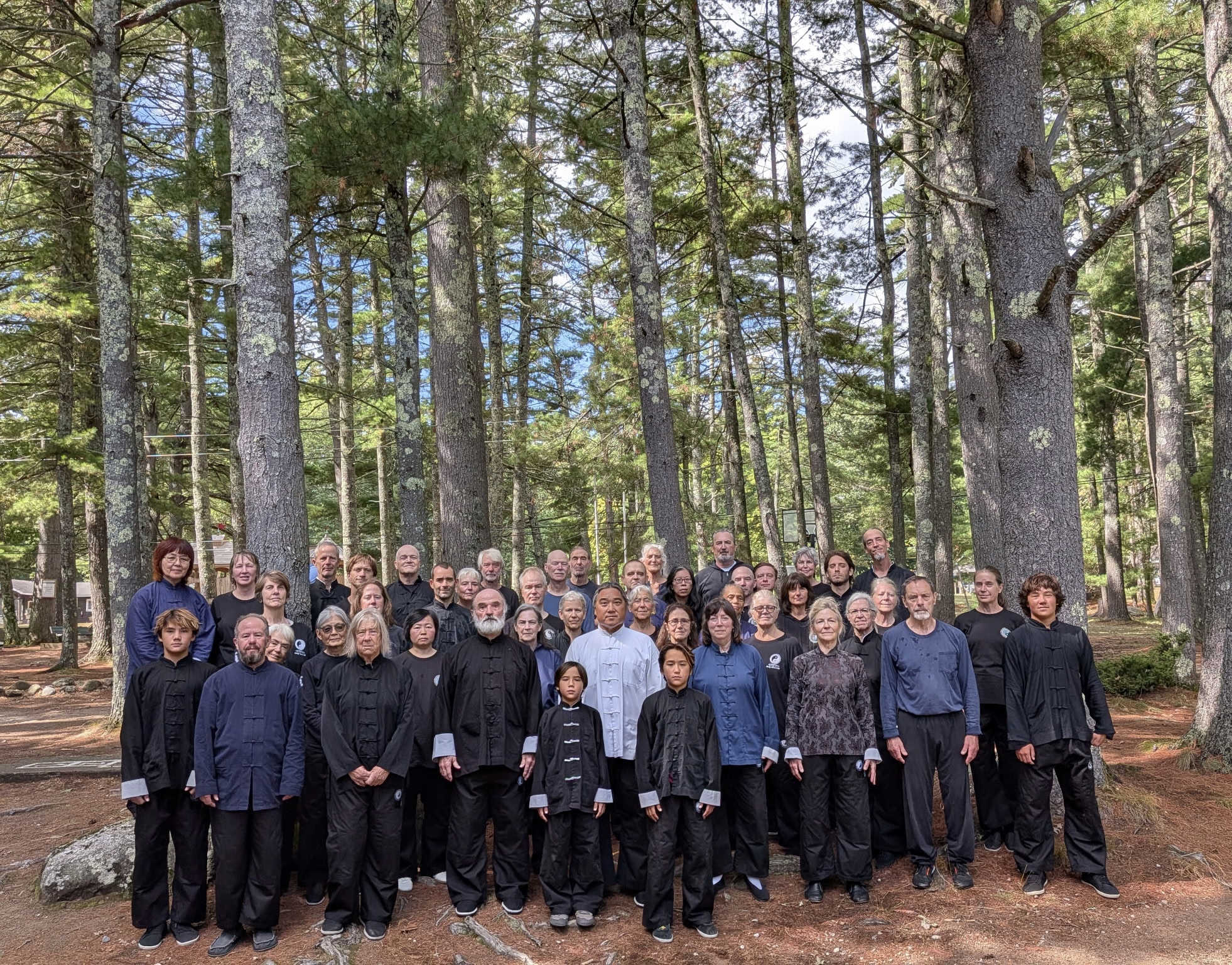
At Sandy Island, we had one of the biggest turnouts I can remember, with 41 students and the master's sons. We reviewed the beginning of the sword set from last year and learned a couple of the next movements. We practiced the slow and fast sets multiple times in a row during many classes. We also practiced a lot of push hands, including three steps and four corners, and especially all the places to press, 擠 jǐ. We found over ten places to do this. They can be hard to explain, but I'll try describe a few to get you started.
The very first one is naturally the moment when you make contact with your partner. Right after the step, 掤 pèng your partner's hand against their chest and press. Always press toward your partner's center. When being pressed, take steps backward as needed. Don't fight. Cooperate to let your partner practice pressing properly. Be loose and relaxed to press fast and fully. Always keep contact with both hands. Push with your feet.
You can also practice turning your waist to redirect the press away, to block or dodge it. There's no need to fight here either, but you should still be loose and relaxed to turn before the press reaches your center. Don't slide. You can also continue by coming on top of your partner's press and pressing back. You can even keep pressing continuously, one after another. Don't think too much. Just do smooth. Train your reflexes and trust your instincts.
But back to the different places to press. One place is during the double hand push, where you practice turning your waist to the left. After the turn, instead of pushing back toward your partner's lower body, just turn your hands over, make contact with your parner's center and press.
The rest can be found by practicing pèng, lǚ, jǐ and àn. One place is to press instead of pulling, just before your partner even follows your 捋 lǚ. Another is to turn a push, 按 àn, into a press over your partner's pèng. There is also a place to press while changing your steps and pressing on the other side. And you can block a press by pressing first and faster.
One thing we were remembering during the camp was the Tao Te Ching. My first camp was 2018, and chapter 8 was the theme that year. That's actually one of my favorite chapters. This year, chapter 16, reminded us to be still and return to the source, keeping ours minds and hearts open. That also resonates so well with my current goals.
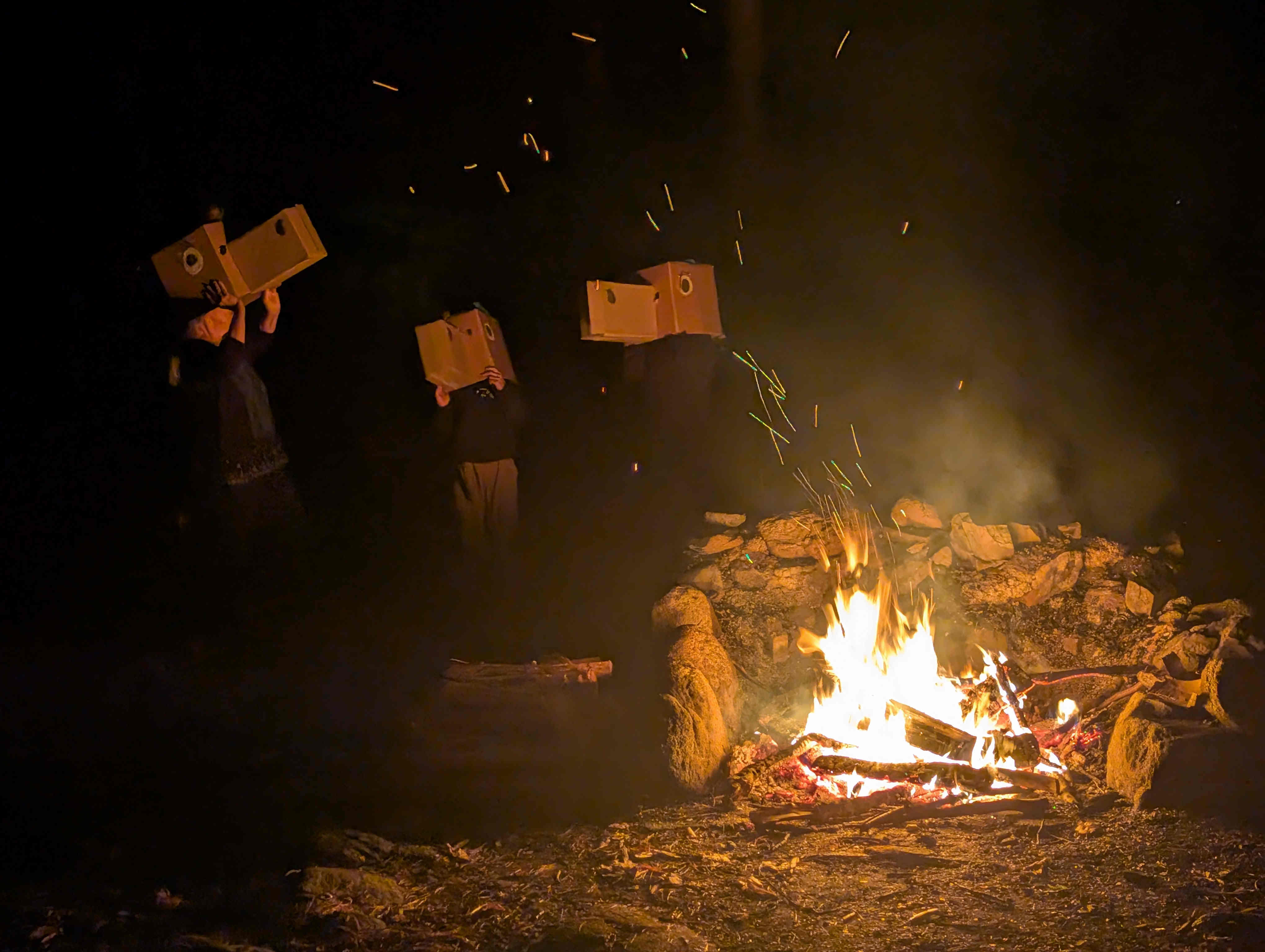
At the camp fire, we celebrated the year of the Fire Horse, and we had a little play with horses dancing around the bonfire. We didn't pursue for anything grand or majestic; we simply enjoyed the warmth of the fire and each other's company.
One thing the grandmaster said about practicing was, "Don't think - just do," and this has been echoing in my mind ever since. It's actually what I've been doing for a long time: I've just followed my passion without thinking about the costs. In a way, it has been my motto, and I've taken it to the extreme. I've just been traveling to the camps and workshops, spending my time and wealth without expecting anything. My friends have also questioned how I can do all that, and sometimes I've wondered about the reasons myself as well.
On the contrary, I've also tended to overanalyze everything without accomplishing anything. I'm a software engineer by trade, and I've faced a problem called analysis paralysis more than once - being distracted or even blinded to the things I've actually been trying to do because of overanalyzing all the options. Instead of just doing and learning by failing, I've failed by doing nothing - likely without even learning anything.
There is a fine balance when to think and when to do. By looking too far ahead, you miss what's right in front of you. Trying to climb too high, you can get afraid of falling instead of progressing one pull-up at a time. Focus on the basics first, and only then you can envision something bigger.
The same applies to practicing Tai Chi and writing. You just need to keep practicing, processing, and doing it all over again and again to get better. It's not wrong to do wrong, as my teacher has often said. We learn from mistakes. You have to do and try everything before you can say what is not needed, and only then can you drop it. You can't blame anybody for trying, as we say in Finnish.
So I've come to the point where I also need to look ahead and think more deeply about my future. I need to refocus my life and find new projects to build on. And one thing I've decided to do is to offer online classes for those who are interested. You can't win if you don't play, as the saying goes.